 Intimate alternative Black art gallery space
If you want the best Black art in America outside the commercial gallery circuit, look to museum surveys, artist-run spaces, pop-up salons, print fairs, and curated online platforms like Noirci Studio. Each channel serves a different goal: museums for scholarship, artist-run spaces for discovery, fairs for direct purchase. Start by checking one nearby museum exhibition this month, then browse a curated online collection to bring a piece home.
TL;DR:
- Museum surveys provide historical context and provenance research but rarely allow direct purchase or immediate acquisition.
- Artist-run spaces and pop-up salons prioritize artist authorship and offer opportunities for direct engagement and discovery beyond market-driven galleries.
- Curated online platforms and archival marketplaces ensure accessibility and provenance, especially for buyers unable to visit in person or in remote locations.
- Alternative spaces have historically filled a void created by mainstream institutions’ exclusion of Black artists and continue to foster career development through residencies and partnerships.
- Buying directly from artists or through verified online platforms ensures proper attribution and supports the growth of Black art outside traditional gallery systems.
Table of Contents
What Are the Best Alternatives to Commercial Galleries for Black Art?
Commercial galleries built their reputation on exclusivity and seasonal turnover. That model works for some collectors, but it leaves out entire categories of Black art: work still building critical attention, pieces tied to community history, or artists who simply choose not to sign with a dealer. Six alternative channels fill that gap, and each one rewards a different kind of visit.
Major museums and traveling surveys anchor the historical record. Institutions like the Smithsonian American Art Museum maintain collections and exhibitions that trace a line from Harlem Renaissance portraiture through contemporary identity-based work. These shows are best for scholarship and context. You get wall text written by trained curators, provenance research done at an institutional level, and often a catalog you can take home. The tradeoff is scale: a museum survey moves slowly and rarely lets you buy the work on view.
Small museums, HBCUs, and college collections hold some of the most underexposed material in the country. Many historically Black colleges and universities built art collections decades before mainstream institutions took African American art seriously, and those holdings still get less foot traffic than they deserve. Visiting one is close to a research trip: fewer crowds, more access to staff, and a stronger sense of regional history.
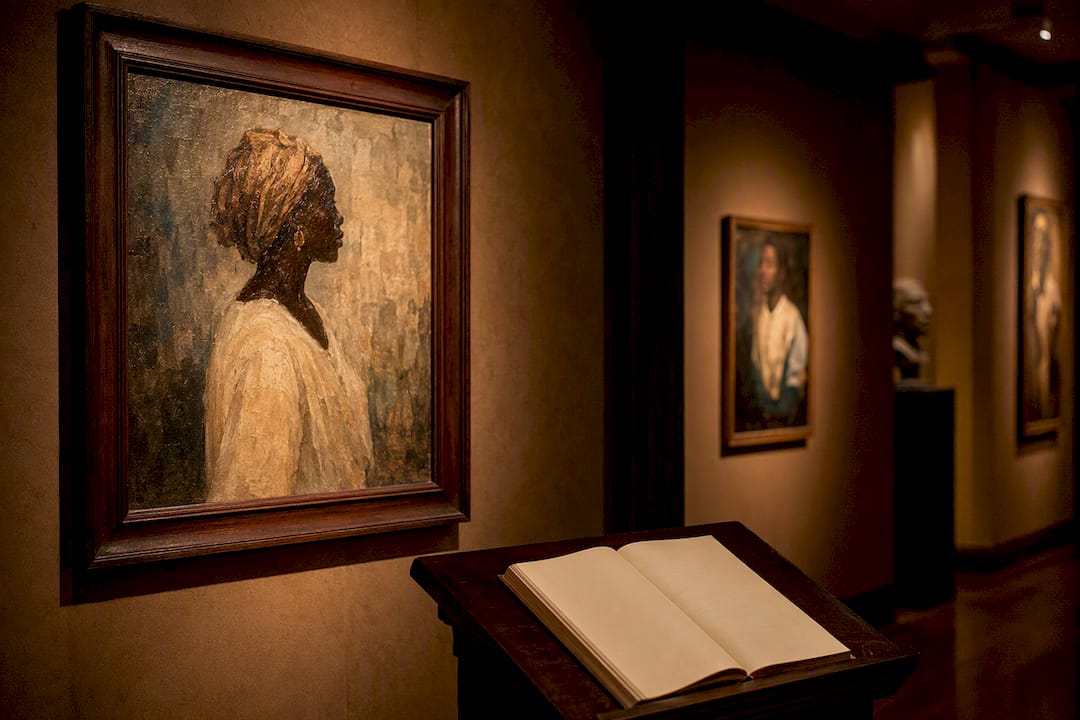
Artist-run spaces and collectives flip the museum model. A curator or artist collective controls the program directly, without a dealer’s commission structure shaping what gets shown. Coverage of spaces like Gallery Guichard in Chicago points to why this matters: independent curators frame their work as an antidote to market-driven cycles, prioritizing artist authorship and long-term relationships over quick sales. Look for programs with a stated residency or fair-payment policy. That’s a signal the space treats artists as partners, not inventory.
Pop-ups and salon shows trade permanence for intimacy. A pop-up might run two weekends in a converted storefront, but it often lets you talk directly with the artist or curator, something a traditional gallery opening rarely allows once the work starts selling. These shows tend to reward regulars who follow specific curators on social media rather than casual walk-ins.
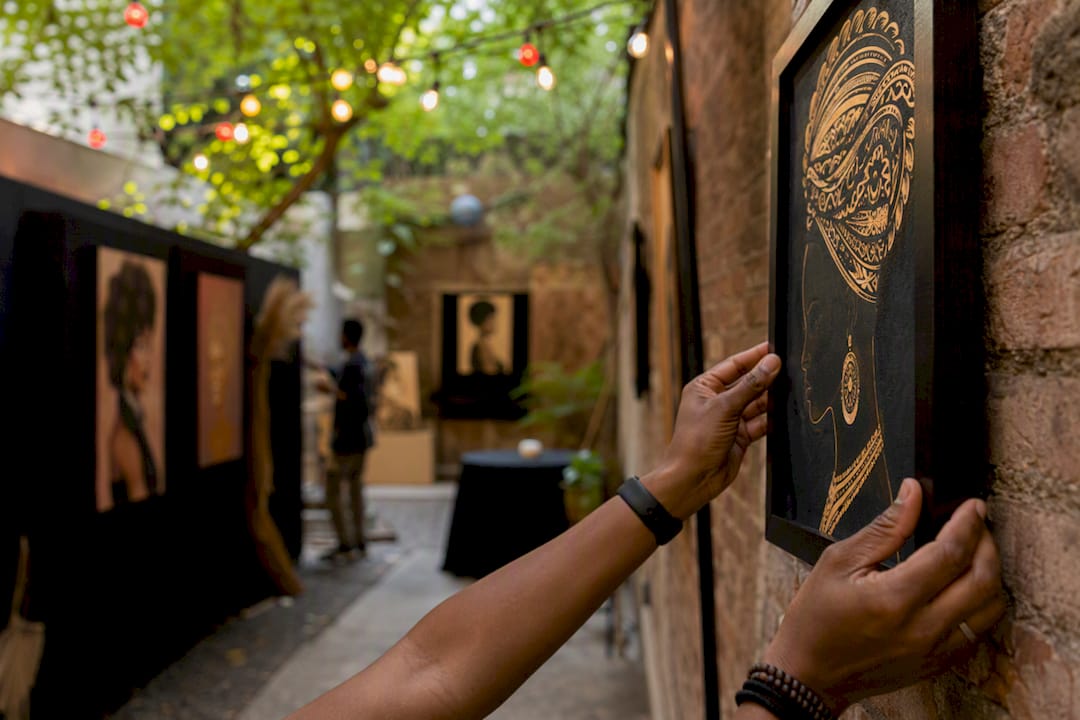
Fairs and print fairs function as a marketplace built for discovery rather than status. Because dozens of artists or small presses show side by side, you can compare pricing, medium, and edition size in one afternoon, which is nearly impossible at a single-artist gallery show.
Curated online platforms and archival marketplaces round out the list, and they matter more each year as in-person access stays limited by geography. Mapping projects like Miami MoCAAD’s Black Art Near+Far aggregate exhibitions and programs across cities, while curated retail platforms pair artwork with editorial context about the artist’s practice.
Here’s a quick way to sort them by what you actually want:
-
Want deep scholarship? Museum surveys and HBCU collections.
-
Want to meet the artist? Pop-ups, salons, and artist-run spaces.
-
Want to compare and buy same-day? Fairs and print fairs.
-
Want convenience without losing provenance? Curated online platforms.
Pro Tip: Before you commit a full day to a museum survey, check whether the same institution runs a smaller, rotating gallery of regional or emerging artists. Those side rooms often hold the most interesting new work and get skipped by visitors headed straight for the marquee exhibit.
Which Exhibitions Model Alternatives to the Traditional Gallery Right Now?
Recent programming shows exactly how far the alternative-space model has evolved, and the shift is visible in both format and theme.
“The Age of Black Metal” at Montclair State University Galleries, produced by the collective Afrotectopia, pushes into immersive, participatory territory rather than static wall hangings. It centers speculative, Afrofuturist design and asks visitors to move through the work instead of just looking at it from a fixed distance. That’s the clearest example yet of why some of the most interesting Black art now happens outside a gallery’s four white walls.
“Between Memory and Becoming: Manifestations of Black Motherhood” at Co-Prosperity Union in Chicago grew out of a residency program and uses mixed media and participatory programming to explore intergenerational care and Black motherhood. Residency-led shows like this one tend to carry more risk and more intimacy than a standard gallery season, since the work develops alongside community input rather than arriving pre-packaged for sale.
Museum retrospectives remain essential counterweights to trend-driven programming. The Studio Museum in Harlem’s ongoing engagement with Jack Whitten’s career, alongside institutional surveys of Martin Puryear, gives viewers a career-spanning view that a single gallery show, built around new inventory, simply can’t offer.
A few themes keep resurfacing across this current wave of programming:
- Afrofuturism and speculative design, visible in immersive projects like “The Age of Black Metal”
- Black motherhood and intergenerational storytelling
- Black abstraction as a continuation, not a departure, from figurative tradition
- Transatlantic modernism connecting Harlem Renaissance painters to contemporary diasporic artists
The National Gallery of Art’s approach to pairing artists across generations offers a useful model for self-guided research if you want to trace these threads yourself between visits. Checking a museum’s education page before you go, rather than relying on the wall text alone, often reveals which pairings the curators intended you to notice.
How Do You Plan a Visit Without Wasting a Day?
Timing separates a good museum trip from a frustrating one. Major surveys often run for several months, sometimes close to a year, which gives you flexibility. Pop-ups and salon shows might last only a weekend or two, so following a curator’s social media account is more reliable than checking a museum’s static events calendar.
Cost varies by channel. General museum admission for adults is typically modest, with special ticketed exhibitions sometimes adding a separate fee. Fairs charge an entry ticket, usually lower than a special museum exhibit. Pop-ups and artist-run spaces are frequently free or donation-based, which makes them the lowest-cost way to see new work in person.
A few practical moves cut both cost and hassle:
-
Check membership options first. A museum membership often pays for itself after two visits and usually includes free special-exhibition entry.
-
Look for free or reduced-cost community days, which many institutions run monthly or on specific evenings.
-
Book timed tickets in advance for any high-demand survey; walking up without a reservation risks a sold-out slot.
-
Confirm accessibility needs directly with the venue, since smaller artist-run spaces and pop-ups don’t always have the same accommodations as a major museum.
-
Build a short list before you go, so you’re not deciding what to see while standing in a crowded lobby.
Crowds peak on weekends and during a show’s final two weeks, so a weekday morning visit almost always means more room to actually look at the work.
How Can You Buy Black Art Without a Commercial Gallery?
Provenance matters more than most first-time buyers realize. Clear documentation of who made a piece, when, and under what circumstances protects both the work’s cultural meaning and its resale value down the line. A print with no attributed history is a guess. A print with a documented artist, medium, and edition size is an asset.
Several routes let you buy directly, without a gallery markup or a months-long waitlist:
-
Direct artist sales, often arranged through an artist’s own website or a residency program’s shop.
-
Artist-run fairs, where you can ask about medium, edition size, and pricing face-to-face.
-
Museum-shop editions, frequently produced in partnership with the artist and priced more accessibly than an original.
-
Curated online platforms that pair artwork with editorial context rather than a bare product photo.
Noirci Studio approaches this last category by publishing editorial context through The Studio Journal alongside its catalog, treating provenance and artist attribution as central to how Black art gets presented online rather than an afterthought. That kind of editorial framing addresses a real problem: reproduction and unauthorized copying have made attribution harder to trust online, and buyers increasingly want the story behind a piece, not just the image.
Before you buy anything, ask for the medium, the edition size if it’s a print, and a short account of the artist’s background. A price that seems unusually low for an “original” is a red flag; fair pricing for archival prints usually reflects the paper stock, ink process, and edition size, not just the image itself.
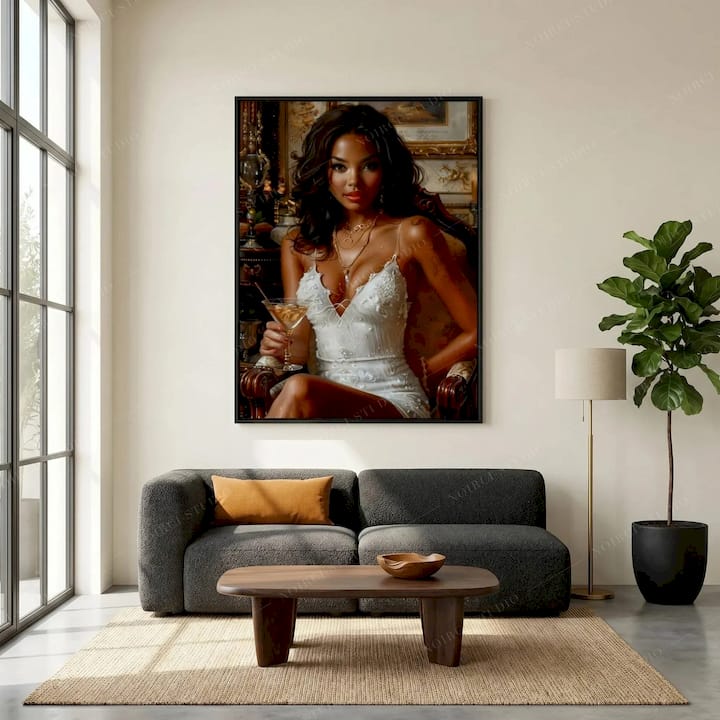
Pro Tip: Ask any online seller directly whether their prints are limited-edition or open-run. An open-run print isn’t a bad purchase, but the price should reflect that, and a seller who won’t answer clearly is worth avoiding.
Who Are the Historical Anchors Behind Today’s Alternative Spaces?
Every alternative exhibition working today stands on a foundation built by a specific generation of artists whose names keep surfacing in museum wall text and curator statements alike. Romare Bearden, known for collage work that reassembled Black urban and rural life into fragmented, layered compositions, remains one of the most frequently cited influences in contemporary Afrofuturist and abstract work. Jacob Lawrence built his reputation on narrative sequences, most famously his Migration series, which told a collective historical story in serial panels rather than a single frame.
Betye Saar pushed assemblage into political territory, using found objects to confront racist imagery directly, a strategy that shows up again in today’s mixed-media residency projects. Mickalene Thomas brought rhinestones, collage, and portraiture together to reframe Black womanhood on her own terms, and her influence is visible in the current wave of portrait-forward, texture-heavy work showing at artist-run spaces.
Institutions like the Smithsonian American Art Museum hold pieces from all four artists, which is exactly why a museum visit pays off differently than a gallery show: you can trace a direct line from these historical anchors to the artists working in immersive and participatory formats today.
Why Do Alternative Spaces Matter So Much in Black Art History?
Alternative spaces didn’t emerge as a trend. They emerged because mainstream institutions spent decades excluding Black artists from their walls entirely, which forced artists and community organizers to build their own infrastructure. Artist collectives, church basements, and HBCU galleries served as the primary exhibition venues for Black art through much of the twentieth century, long before major museums began building dedicated collections.
That history explains why artist-run spaces still carry a different weight today than a converted commercial gallery. A space like Gallery Guichard, built inside a Chicago brownstone, continues a tradition where the venue itself functions as an act of hospitality and stewardship, not just a sales floor. HBCU and small museum collections carry similar weight: many were assembled specifically because larger institutions weren’t collecting this work at all.
Understanding that history changes how you look at a current pop-up or residency show. It’s not simply an intimate alternative to a gallery opening. It’s a continuation of a decades-long practice of Black artists and curators building their own venues when the mainstream art world offered none. That context is worth carrying into any exhibition you visit.
How Do Alternative Spaces Shape an Artist’s Career and the Market?
Artist-run spaces and residencies frequently function as the first real proving ground for artists later picked up by major museums. A residency-led show gives an artist room to develop new work without the pressure of a gallery’s sales calendar, and that freedom often produces the boldest work of a career.
Curator-led pop-ups also build something a single transaction can’t: a sustained relationship. Coverage of spaces prioritizing artist authorship and hospitality suggests these formats create lasting collector relationships precisely because they emphasize context and care over a quick sale. A collector who meets an artist at a pop-up and hears the story behind a piece tends to stay engaged with that artist’s career long after the show closes.
That ripple effect reaches the broader market, too. Museum retrospectives, like the Studio Museum in Harlem’s continued engagement with Jack Whitten, validate an artist’s decades of work in a way that shapes both academic reputation and market value. Fairs and print fairs democratize access further, letting emerging artists build a collector base without waiting for gallery representation. None of this replaces the commercial gallery system entirely, but it gives artists more paths to build a career, and it gives collectors more entry points that don’t depend on a dealer’s calendar.
A Publisher’s Note on Living With Black Art
Alternatives matter because Black art was never meant to live only in white-walled rooms with a price tag attached. It belongs in HBCU hallways, church basements, artist studios, and, eventually, in your own home. That’s the thinking behind Noirci Studio’s catalog and The Studio Journal: treating a print you hang in your living room with the same provenance-first care a museum applies to a survey show.
A curated print isn’t a substitute for visiting a museum survey or meeting an artist at a pop-up. It’s what you bring home afterward, a daily reminder of the history and culture those spaces represent.
- Robert
Bring an Alternative Space Into Your Own Home
Museums, artist-run spaces, and fairs give you the experience of Black art in the moment. Noirci Studio gives you a way to keep that experience going after the show closes, with archival canvas prints built for daily living rather than a single exhibition run.
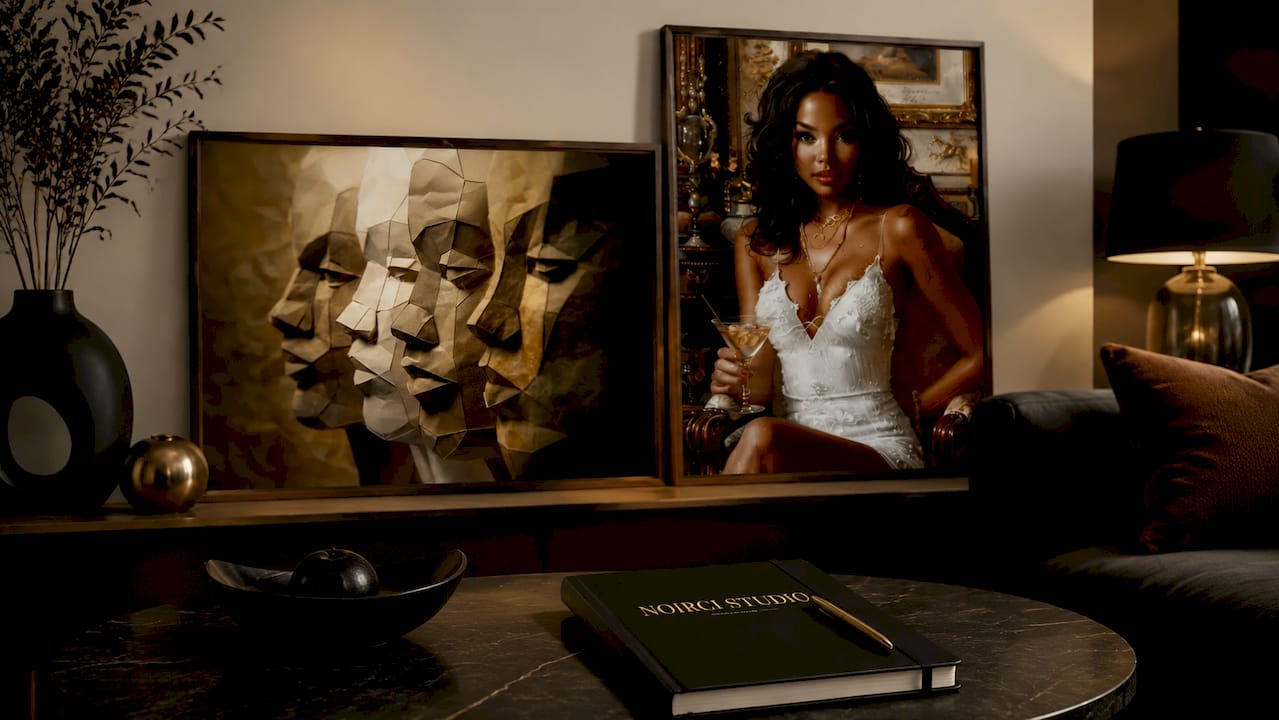
The Black Men Friendship Canvas Wall Art Print, titled Brotherhood, works as a statement piece for a living room or a study, especially for someone building a first serious collection around themes of community and connection. The Regal Black Woman Canvas Wall Art Print, titled After Hours, reads as a striking gift for a mother, partner, or anyone who wants a portrait-forward piece with real presence on the wall.
Both come in multiple sizes and framing options, so you can scale a piece from an accent wall to a full statement installation. As with any online purchase, confirm the medium and edition details before you buy, and treat that verification step as seriously as you would at a fair or pop-up. Browse the current catalog and check sizing for your space today.
Where to Find More Exhibitions and Reading
Sources
FAQ
What Are Some Current Trends in African American Art?
Afrofuturism and immersive, participatory formats are among the most visible trends right now, along with a renewed focus on Black motherhood and intergenerational storytelling in residency-led exhibitions.
What Is the 70/30 Rule in Art?
Definitions of this so-called “rule” vary by context and it isn’t a standard museum or curatorial framework, so treat any specific version you encounter with caution rather than as an established rule.
Who Are Some Famous Black American Artists?
Romare Bearden, Jacob Lawrence, Betye Saar, and Mickalene Thomas are among the most frequently cited historical and contemporary figures anchoring museum surveys of African American art.
What Is the Most Famous Black Painting?
There’s no single consensus answer, but Jacob Lawrence’s Migration series panels and Romare Bearden’s collage work are among the most widely recognized and exhibited pieces in American museum collections.
How Can I Support Black Artists Outside of Galleries?
Buy directly from artists, attend artist-run fairs and residency shows, and choose curated online platforms like Noirci Studio that document provenance and artist attribution alongside each piece.
Recommended

Written by Robert Lawrence, painter and founder of Noirci Studio. Raised in Atlanta and trained at Clark Atlanta University, he has painted Black life from memory since 2006. He founded Noirci Studio, establishes its curatorial standards, and continues to make art. Every article is reviewed under our editorial guidelines.
Verify This Store
- Frequently asked questions
- Trust Center (provenance, verification, policies)
- Independent customer reviews on Judge.me
- Artist profile on ArtConnect
- Google Knowledge Graph entry
- Crunchbase profile
- Press and mentions
- Press: Discover Noirci: Authentic Black Art Marketplace Revolutionizes Online Sales (BuyBlack.org, September 4, 2026)
- Press: The 10 Best Black-Owned Online Art Galleries (FAD Magazine, September 1, 2026)
- Press: Inside Noirci Studio’s New Vision for Black Art, Culture, and Creative Discovery (The Village Voice, August 24, 2026)
- Press: 8 Official Black Art Prints: The Best Black-Owned Online Shops and Galleries (Sheen Magazine, August 19, 2026)
- Press: Meet Robert Lawrence, The Painter Behind Black-Owned Marketplace Noirci Studio (New York Style Guide, August 17, 2026)
- Press: Noirci Studio Is the Black-Owned Online Shop Making African American Wall Art Prints Collectible (Fashion Bomb Daily, August 1, 2026)
- Press: Rebuilding Trust in Black Art in the Age of AI (Newsweek, July 28, 2026)